Biopsychosocial stress, digital health, and the social psychology of AI in clinical practice and daily life.
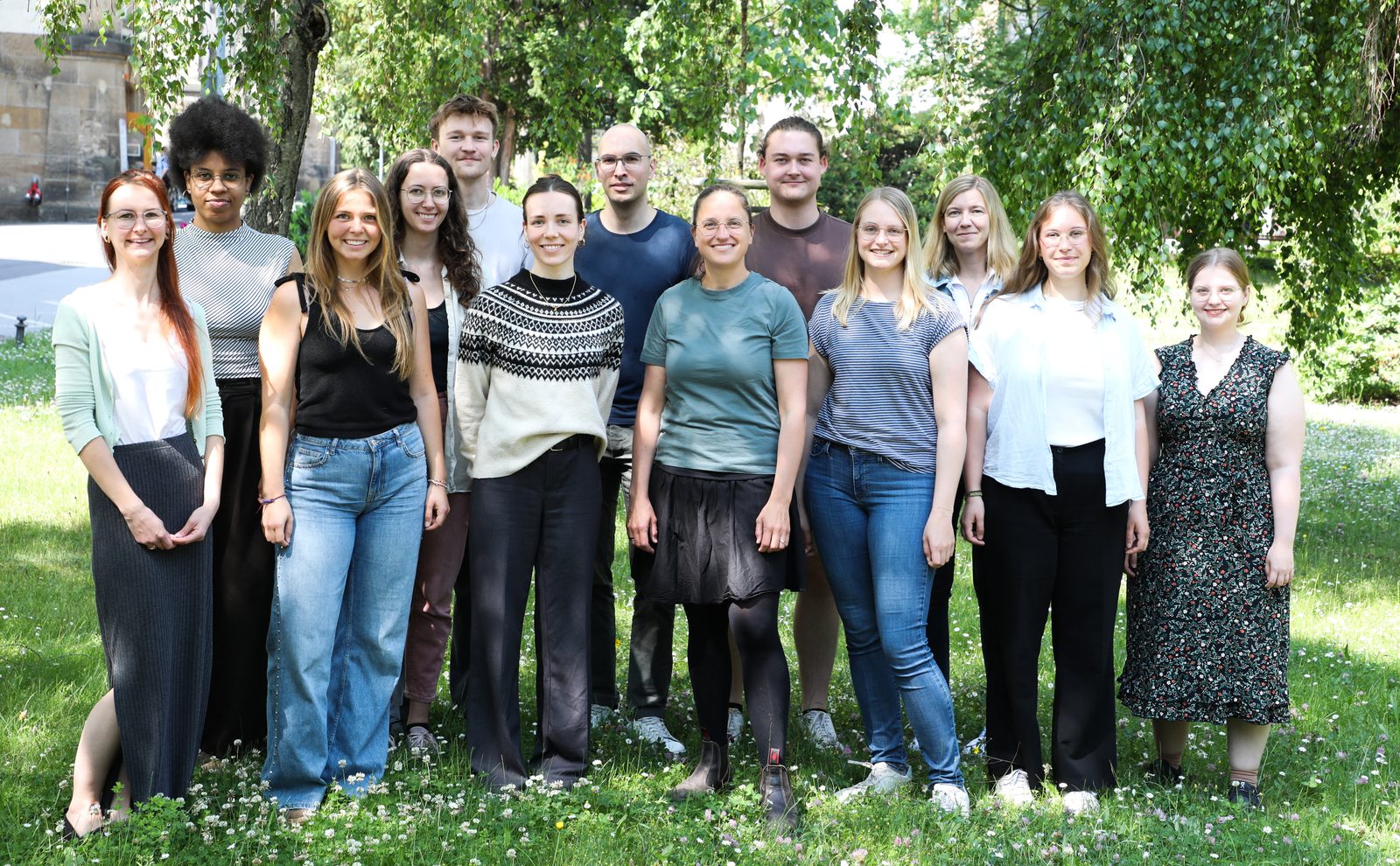
The Wekenborg Lab is an interdisciplinary research group at the intersection of medical psychology, biopsychological stress research, and digital health. We connect biological mechanisms (parasympathetic regulation, endocrine reactivity, and inflammatory dynamics) with psychological experience and social context.
Our work investigates how stress, recovery, and change unfold across psychological pathologies, and how digital technologies and generative AI reshape clinical interaction, well-being, and therapeutic processes. We treat AI not only as a methodological tool, but as an independent subject of psychological inquiry: a social and interactive actor with its own behavioural signatures.
A central empirical foundation is the Dresden Burnout Study, initiated in 2015 and led by us since 2025. It is the world's largest biopsychosocial longitudinal cohort on stress-induced exhaustion. Our portfolio is complemented by ambulatory assessment studies in clinical environments and large-scale behavioural experiments with large language models.
We are part of the EKFZ for Digital Health at the Faculty of Medicine, TUD Dresden University of Technology, in Dresden, Germany.
Ongoing prospective studies led by the lab.
The world's largest biopsychosocial longitudinal cohort on stress-induced exhaustion. It is the empirical backbone for our work on parasympathetic, endocrine, and inflammatory markers of recovery.
A 72-hour ambulatory assessment cohort combining continuous ECG-derived HRV with smartphone-based momentary assessment, examining how cardiac vagal activity couples to daily stress and multidimensional exhaustion after SARS-CoV-2 infection. With Prof. Dr. Uta Merle, University Hospital Heidelberg.
Prospective evaluation of a new patient portal at Universitätsklinikum Carl Gustav Carus Dresden, analysing acceptance, user experience, and psychophysiological correlates of digital adoption in clinical staff.
Investigating the predictive power and temporal dynamics of immediate vs. delayed user evaluations for forecasting outcomes in tumor documentation systems, bridging UX research and clinical informatics.
Psychophysiological monitoring of stress responses in everyday nursing care and accompanying evaluation of AI-based telephone-assistance and patient-portal interventions.
A selection of recent first- and last-author work. For a full list of 50+ peer-reviewed publications, please visit ORCID.
More than €2 million in third-party research funding to date. We are grateful to our funders and partners:
Selected interviews and coverage on stress research, burnout, and digitalisation in healthcare.
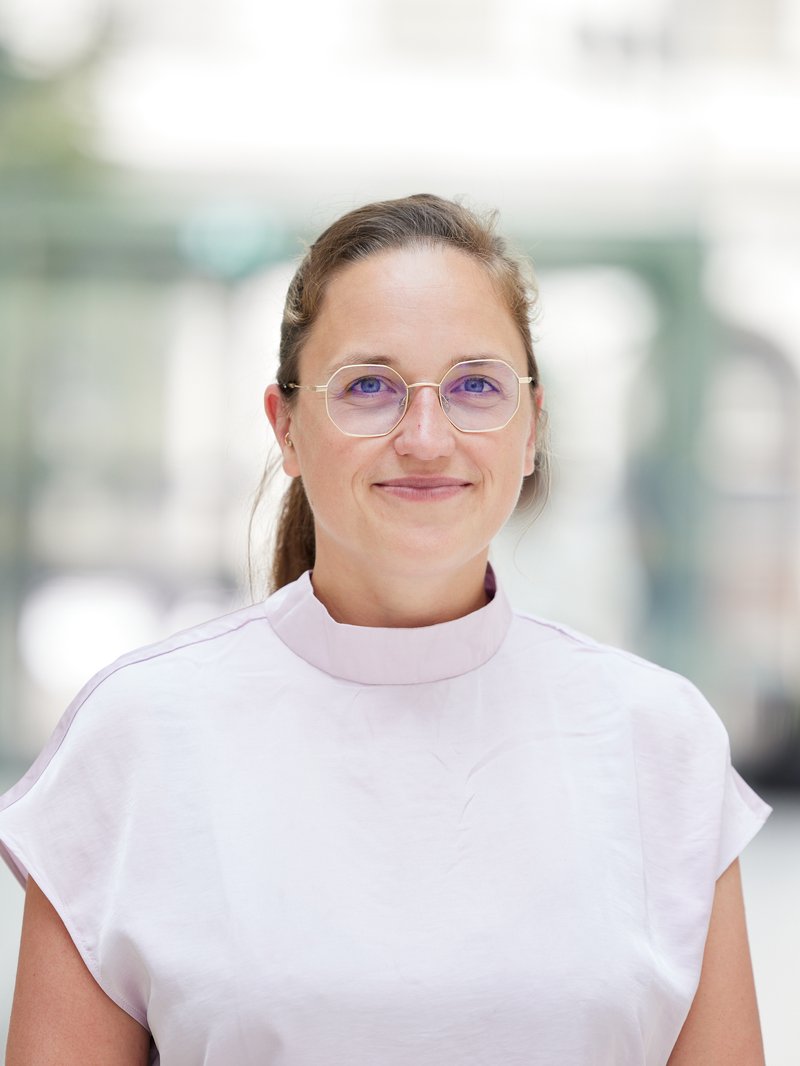
Magdalena Wekenborg is a biopsychologist working at the interface of medical psychology, stress research, and digital health. Since 2024 she has led the Psychodigital Research group at the EKFZ for Digital Health at the TU Dresden Faculty of Medicine.
For more than a decade her research has focused on biopsychosocial stress mechanisms, in particular parasympathetic regulation, endocrine processes, and inflammatory dynamics, and how these biological systems relate to the success and sustainability of psychological and psychopharmacological interventions.
She views digital innovation, and generative AI in particular, both as a methodological foundation for studying complex biopsychosocial processes and as an independent subject of medical psychology, with implications for clinical interaction, decision-making, and patient and clinician well-being.
We welcome inquiries from prospective doctoral students, postdocs, visiting researchers, and collaborators with a background in biopsychology, clinical psychology, digital health, or AI.
If your work touches on stress, exhaustion, ambulatory assessment, human–AI interaction, or clinical informatics, we want to hear from you.
Get in touch